
 03-5638-3839
From "After-the-Fact" Measures to "Prevention" as a Daily Standard
Every time the threat of an infectious disease is reported, we have been busy with "reactive measures" such as disinfection and sanitization. However, in today’s world where the movement of people and goods is accelerating globally, the cycle of starting to respond only after a specific virus has emerged is beginning to reveal its physical limits. What is needed now is the creation of an "autonomous environment" where the spaces we live in constantly maintain safety without the need for conscious effort. This means reimagining photocatalyst technology not just as a means of preventing dirt or a temporary sanitization tool, but as a "silent defense infrastructure" integrated into our daily surroundings. In this article, we take the Nipah virus, which is currently causing heightened concern in Asia, as an example to consider the future of "preparedness"—a defense that remains unwavering even against unknown threats.
Fig 1. Conceptual image of infectious disease countermeasures
New Risks Crossing Borders
Currently, the resurgence of "Nipah virus," centered in India and Southeast Asia, has become a matter of international concern. While the name may still be unfamiliar in some regions, the World Health Organization (WHO) is monitoring the movement of this virus with extremely high priority due to its high fatality rate and the lack of established treatments. Events that once could be dismissed as "incidents in a distant country" must now be viewed as immediate challenges in a modern age where human mobility occurs at an unprecedented speed.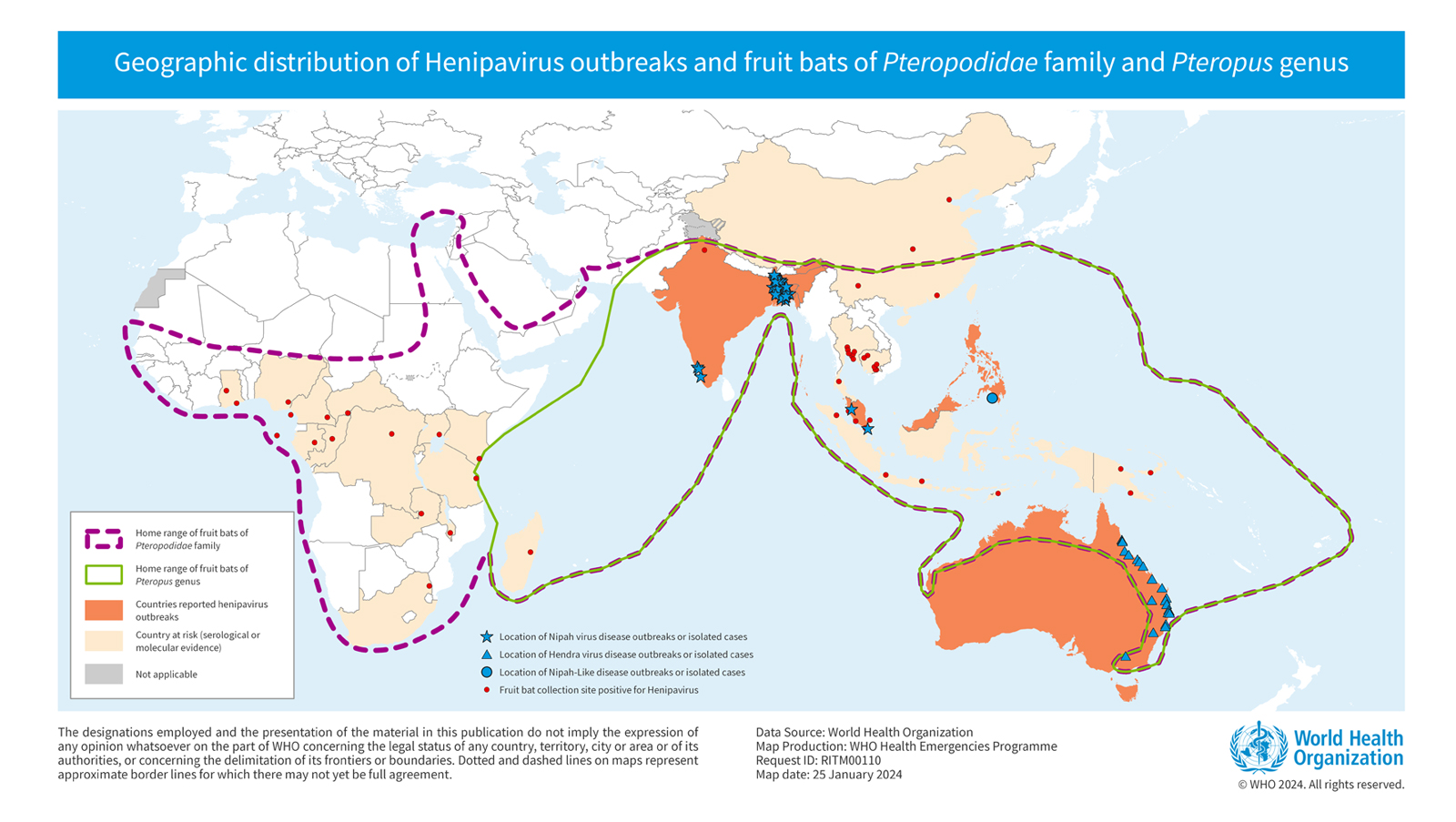
Fig 2. Nipah and Hendra virus diseases: Occurrence countries and risk areas.
Source: Adapted from "Current Status of Henipavirus Infections" by the Ministry of Health, Labour and Welfare (Japan)
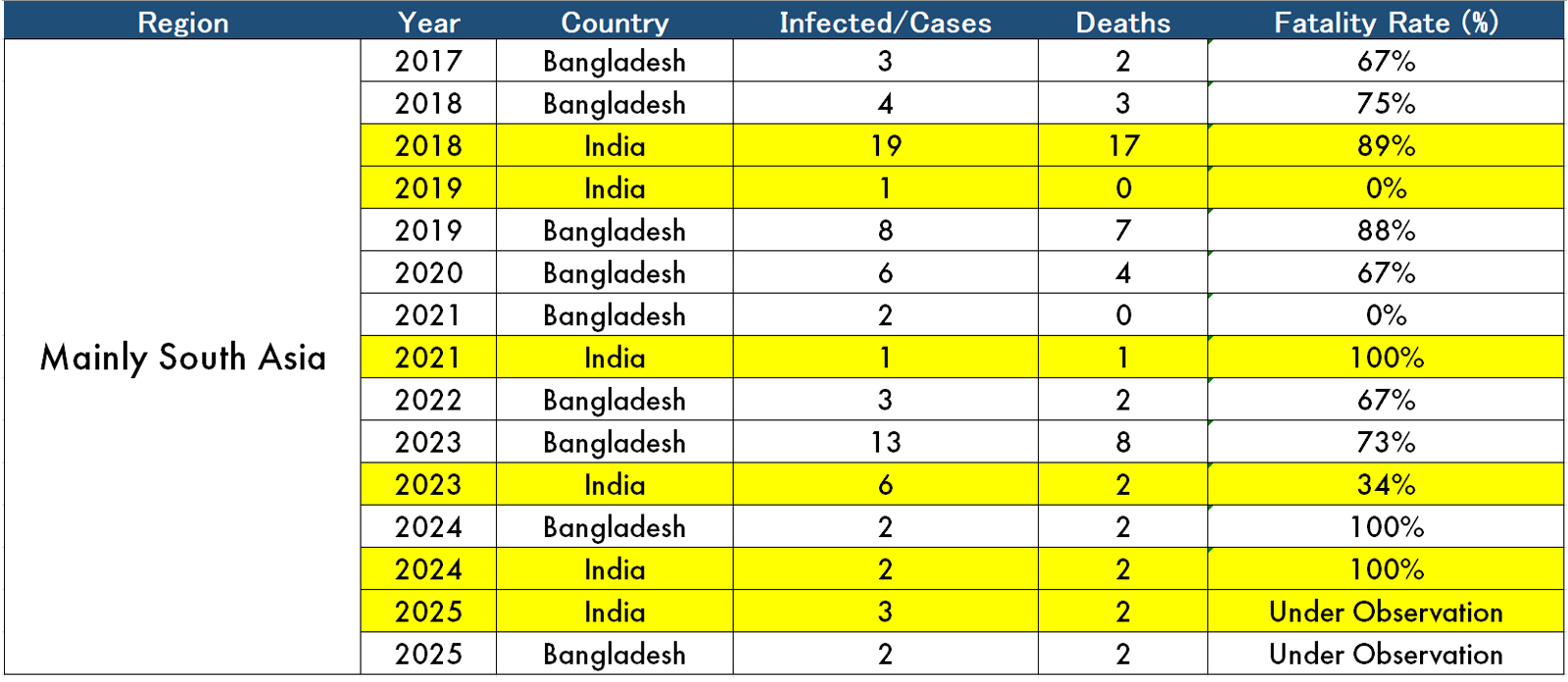
Fig 3. History of NiV (Nipah virus) outbreaks.
Source: Adapted from "Current Status of Henipavirus Infections" by the Ministry of Health, Labour and Welfare (Japan)
Ministry of Health, Labour and Welfare: "Current Status of Henipavirus Infections"

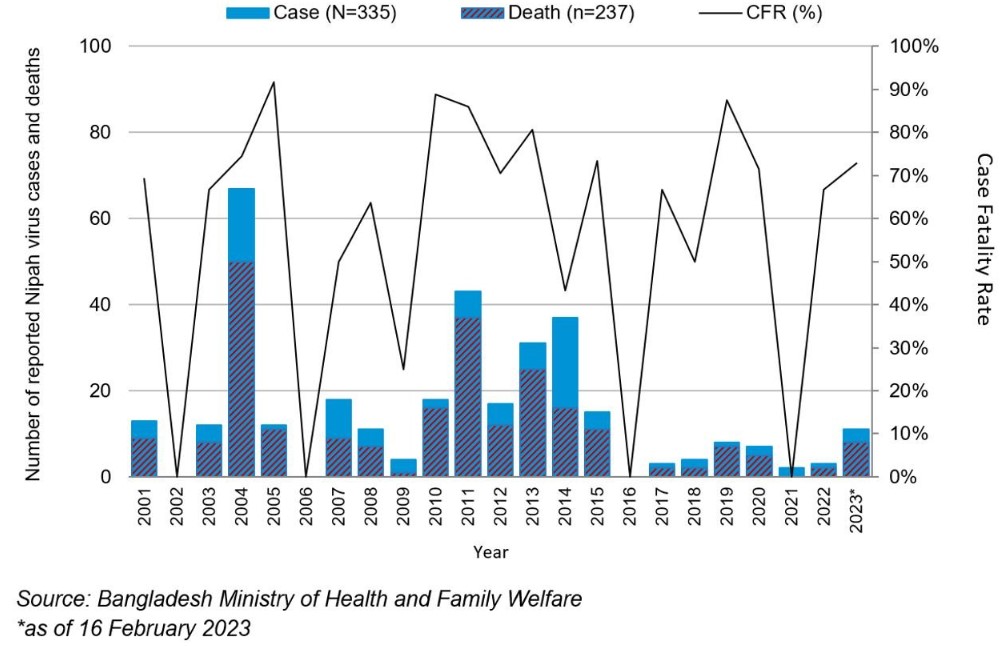
Fig 4. Reported number of Nipah virus infections and deaths by year (Jan 1, 2001 – Feb 13, 2023, Bangladesh).
Source: Quoted from the Ministry of Health and Family Welfare, Bangladesh, as of Feb 16, 2023
From "Symptomatic Treatment" to "Environmentally Autonomous" Defense
The basis of infectious disease control has traditionally relied on individual actions such as hand washing and disinfection. However, when there is a risk of infection spreading from "environmental surfaces" (such as doorknobs and furniture), as is the case with the Nipah virus, manual cleaning and disinfection by humans reach their physical limits. That is why the concept of "giving the environment itself a defense function" is currently attracting global attention.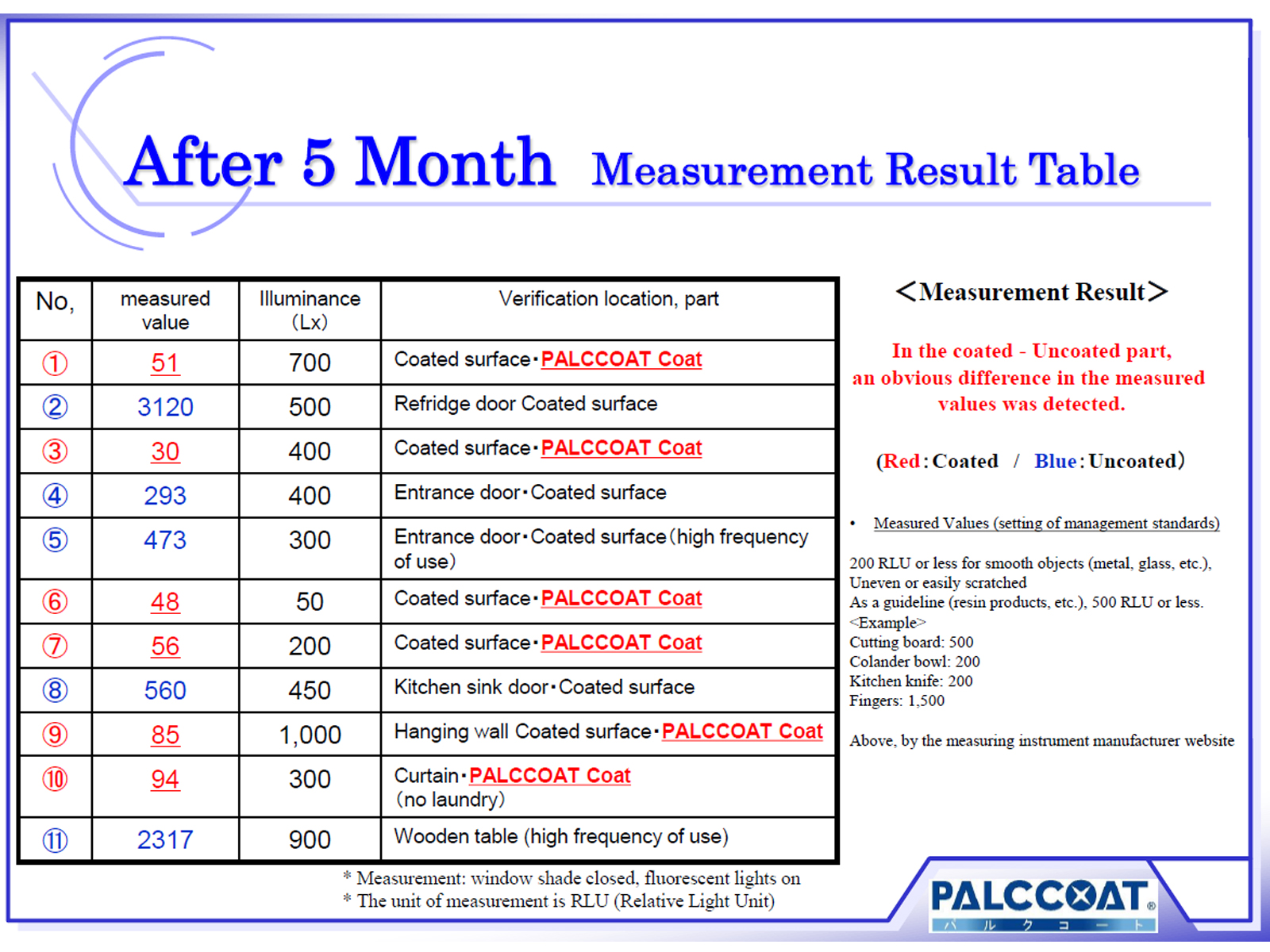
Fig 5. ATP observation data in a high school health room 5 months after PALCCOAT photocatalyst coating.
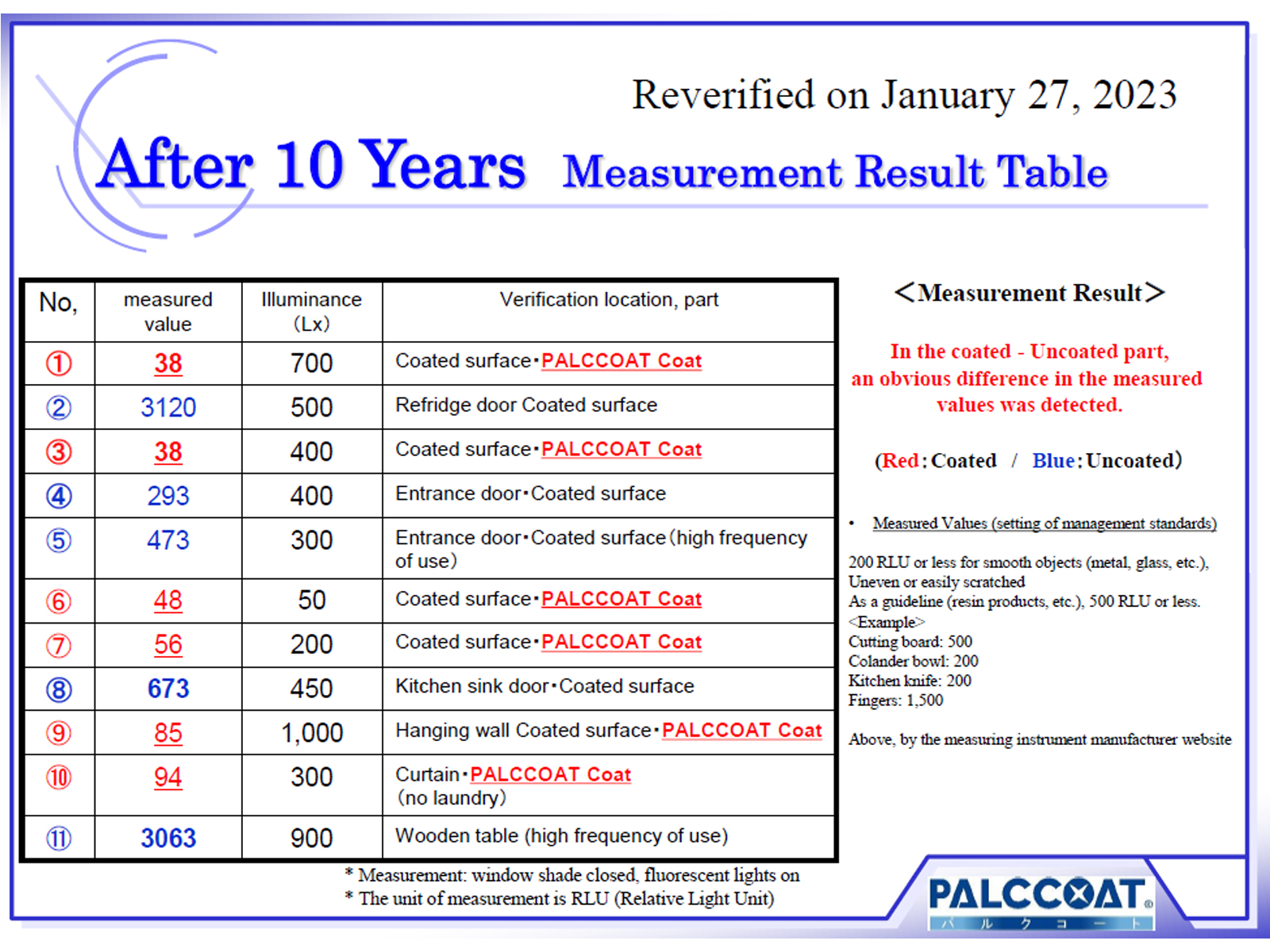
Fig 6. ATP observation data in a high school health room 10 years after PALCCOAT photocatalyst coating.
A Physical Approach via Photocatalysis
Why is photocatalysis expected to be effective against such highly virulent viruses? It is because, rather than killing the virus with chemicals, it uses light energy to physically "decompose" the organic matter that makes up the virus. The Nipah virus has a structure with a lipid membrane (envelope). Photocatalysis destroys this membrane through an oxidation reaction. Because this mechanism does not depend on a specific type of virus, it remains a theoretically unwavering line of defense against mutating viruses and unknown threats.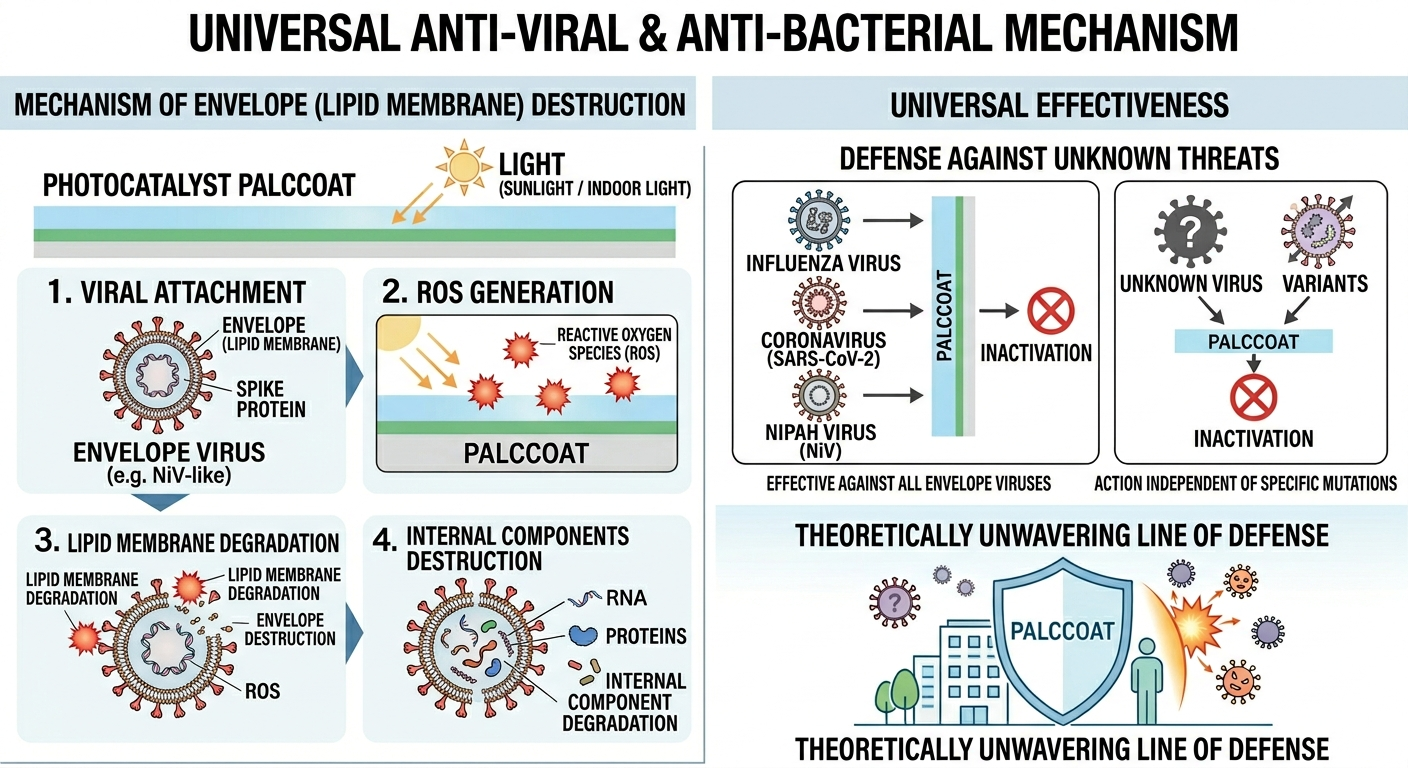
Fig 7. Schematic diagram of the mechanism by which photocatalysis decomposes and destroys the viral envelope (membrane).
Source: Quoted from the Photocatalysis Industry Association of Japan (PIAJ)
A Future Where Architecture and Infrastructure Act as a "Shield"
Coating the interior of building materials and public transportation with photocatalysts is not just about "saving the trouble of cleaning." It means that the spaces themselves evolve into "autonomous infrastructure" that constantly inactivates viruses without us even being aware of it. Instead of "how to prevent it after it occurs," we should "pre-emptively create an environment where viruses find it difficult to exist." This shift in perspective may be the most quiet yet powerful step toward preventing the next pandemic.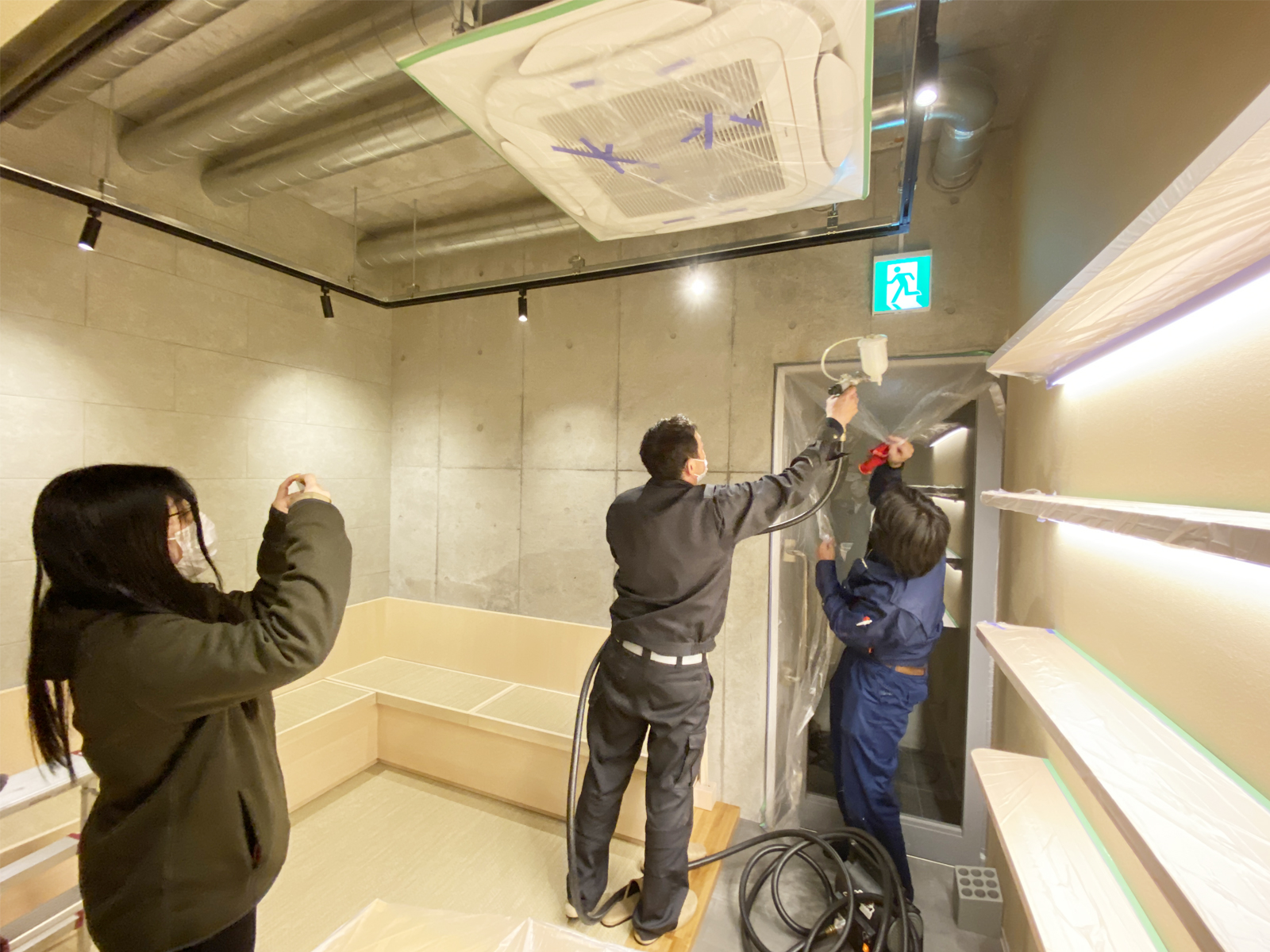
Fig 8. Photocatalytic interior coating at a hot spring spa
■ Contact & ConsultationThe optimal approach for photocatalyst implementation varies depending on the intended application and environmental conditions. PALCCOAT provides proposals tailored to specific site conditions and usage environments. If you have any questions regarding our products or application services, please feel free to contact us. Contact PALCCOAT