
 03-5638-3839
From “Reactive Response” to “Environmental Design” — Hygiene Design Embedded in Daily Life vol.3
In May 2026, WHO (World Health Organization) issued an emergency outbreak notice regarding the expanding Ebola virus disease outbreak in the Democratic Republic of the Congo (DRC) and Uganda.
The currently identified virus species is Bundibugyo ebolavirus, and at present, no fully approved vaccine or treatment has yet been established.

Figure 1. Image of a WHO emergency declaration
Ebola virus disease is accompanied by symptoms such as fever, fatigue, headache, vomiting, and diarrhea, and in severe cases may cause hemorrhagic symptoms and impaired consciousness.
On the other hand, according to the Ministry of Health, Labour and Welfare (Japan) and the CDC (U.S. Centers for Disease Control and Prevention), Ebola is not an infection that spreads easily through airborne or droplet transmission, but is primarily transmitted through direct contact with blood or other bodily fluids such as excretions from infected patients.
In other words, it is not a disease that “spreads easily to anyone.” However, there are still reasons why Ebola continues to be globally regarded as a serious threat.
What is Ebola Virus Disease?
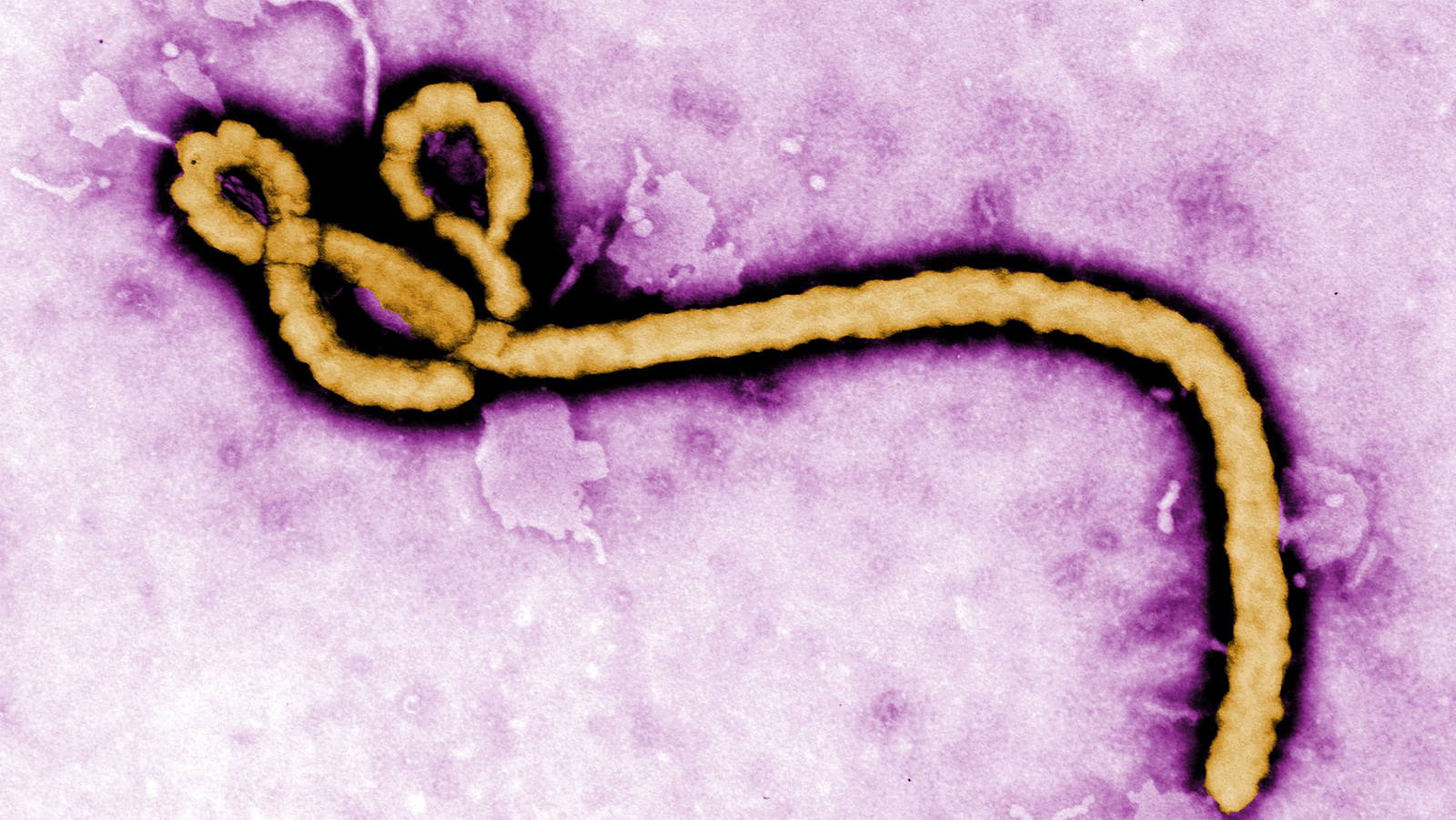
Figure 2. Ebola virus illustration Source: CDC (U.S. Centers for Disease Control and Prevention)
Ebola virus disease (EVD) is a severe illness caused by the Ebola virus, known for its potentially high fatality rate.
According to the Ministry of Health, Labour and Welfare, the incubation period is 2–21 days (typically 4–10 days), and early symptoms include:
- Fever
- Headache
- Muscle pain
- Fatigue
As the disease progresses:
- Diarrhea
- Vomiting
- Rash
- Dehydration
may occur, and in severe cases, hemorrhagic symptoms and neurological impairment may develop.
In past outbreaks, fatality rates have been reported between 25% and 90%, depending on the virus strain and healthcare conditions.
In recent years, however, improved medical care for dehydration and gastrointestinal symptoms has contributed to better survival rates in some cases.
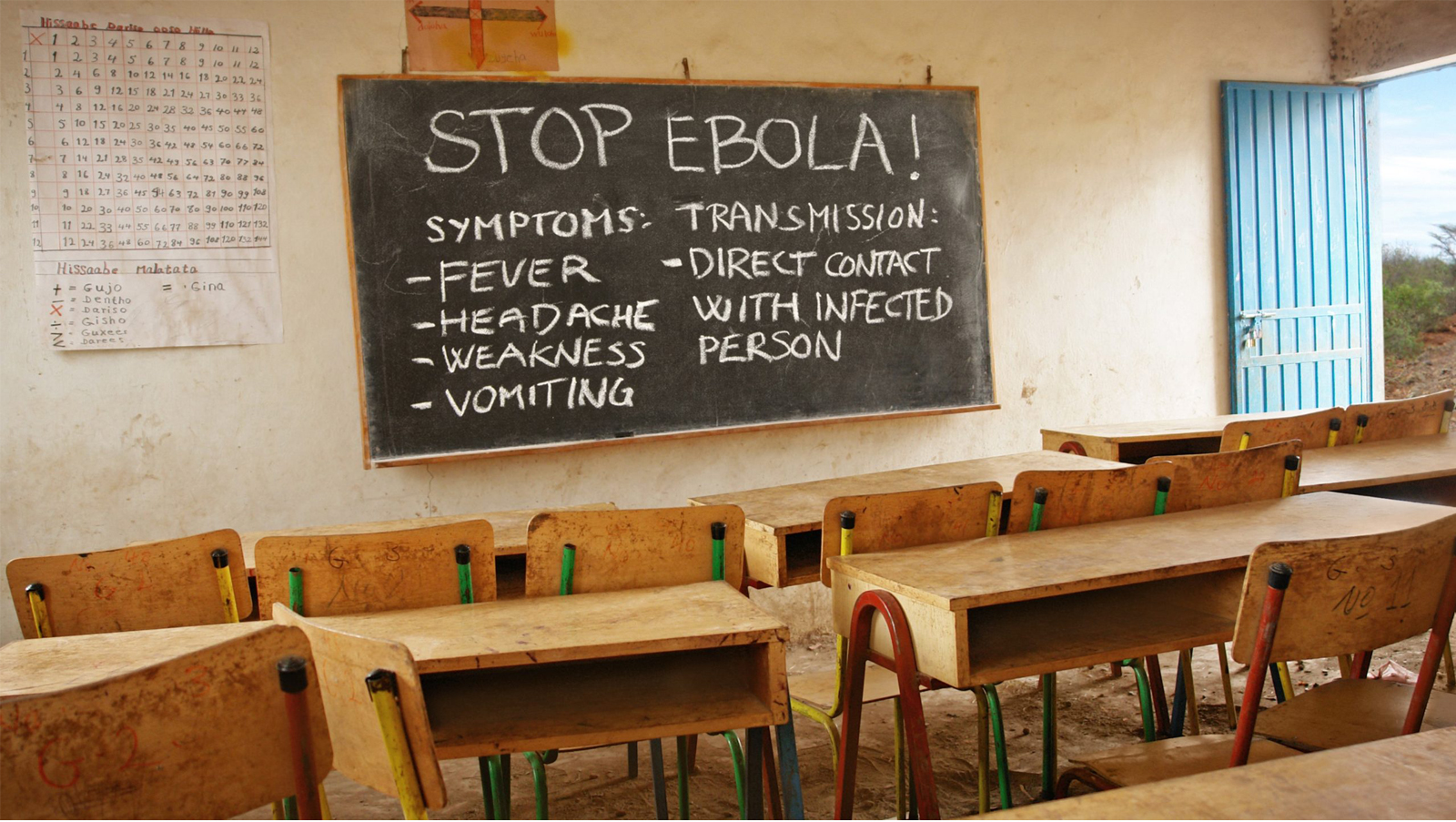
Figure 3. Progression of Ebola symptoms Source: CDC (U.S. Centers for Disease Control and Prevention)
Main Transmission Routes
Ebola is primarily transmitted through direct contact with bodily fluids of infected individuals.
- Blood
- Secretions
- Vomitus
- Excretions
These are considered the main routes of infection, and the disease is not primarily spread through airborne or droplet transmission.
In addition, contact with infected wild animals or exposure to bats in caves within outbreak regions is also considered a potential risk factor.
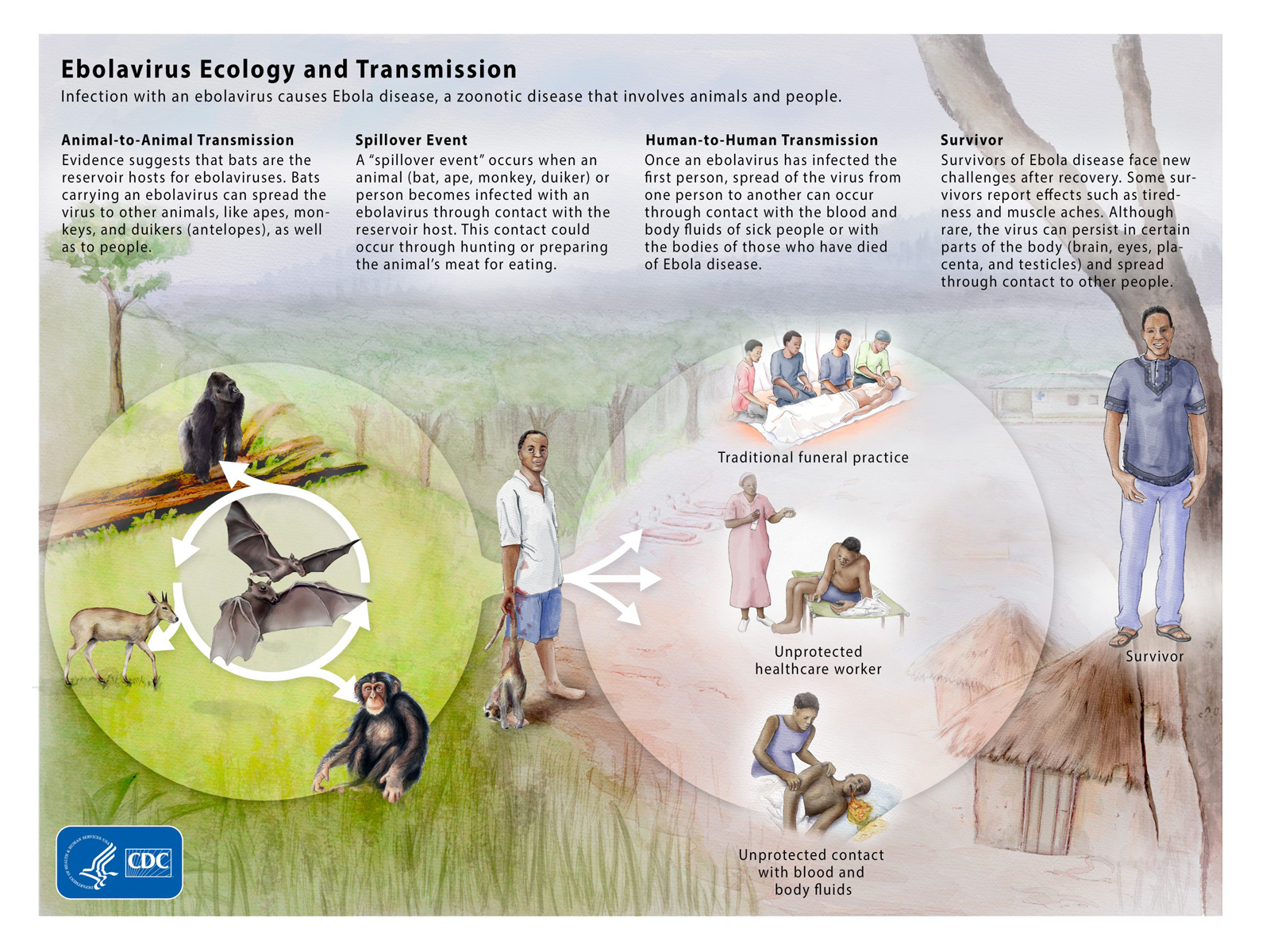
Figure 4. Illustration of Ebola transmission pathways Source: CDC (U.S. Centers for Disease Control and Prevention)
Treatment and Prevention
Diagnosis is performed by detecting pathogens or genetic material in blood or throat swab samples.
Currently, treatment is mainly supportive care.
Preventive measures include:
- Avoiding direct contact with bodily fluids of patients
- Avoiding contact with wild animals
- Avoiding caves in outbreak regions
- Maintaining proper hygiene management
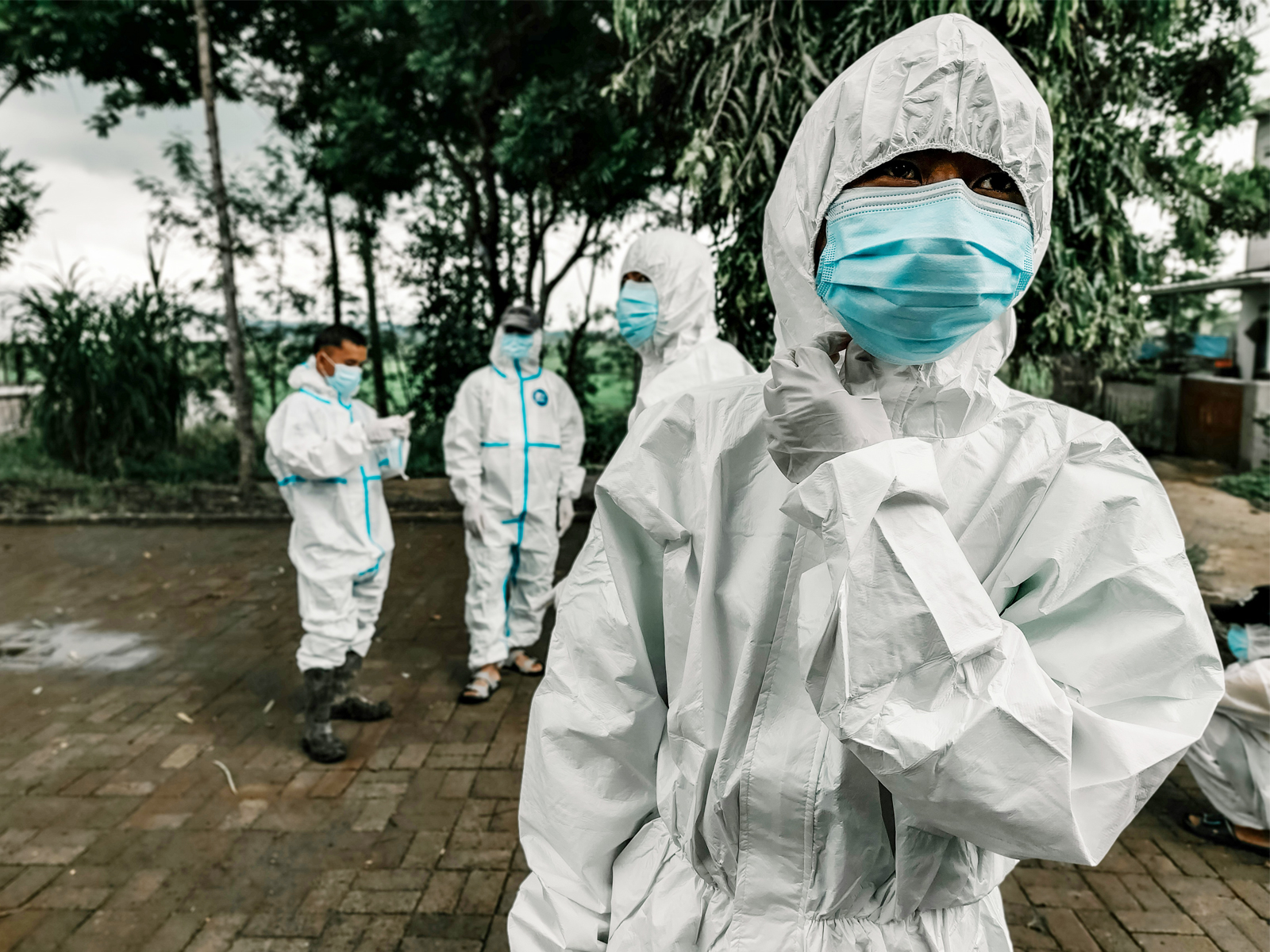
Figure 5. Quarantine, PPE, and infection control Source: CDC (U.S. Centers for Disease Control and Prevention)
Recurring Zoonotic Diseases Around the World
Human history has been a continuous series of encounters with unknown viruses and pathogens. Many modern infectious diseases are zoonotic (originating in animals).
From the Spanish flu—considered the origin of modern pandemics—to SARS, MERS, Ebola, COVID-19, Nipah virus, and avian influenza, many infectious diseases have repeatedly emerged in relation to animal-human contact and global mobility.
In recent years, diseases such as Mpox and avian influenza—once considered “limited”—have also shown multi-country spread.
| Disease | Primary Animal Reservoir | Characteristics |
|---|---|---|
| Ebola virus disease | Fruit bats | Transmission via body fluids |
| SARS | Bats | Respiratory infection |
| MERS | Camels | High-fatality respiratory infection |
| Avian influenza | Birds | Pandemic concern due to mutation |
| Hantavirus infection | Rodents | Dust inhalation from excreta |
| Nipah virus infection | Bats | High fatality rate |

Figure 6. Major zoonotic diseases worldwide Source: CDC (U.S. Centers for Disease Control and Prevention)
Why is Ebola so difficult to contain?
In the current outbreak, WHO and CDC have identified several challenges:
- Infections among healthcare workers
- Insufficient healthcare infrastructure
- Overlapping conflict zones
- Difficulty in contact tracing
- Cross-border human movement
- Lack of testing capacity
- Weak local infrastructure
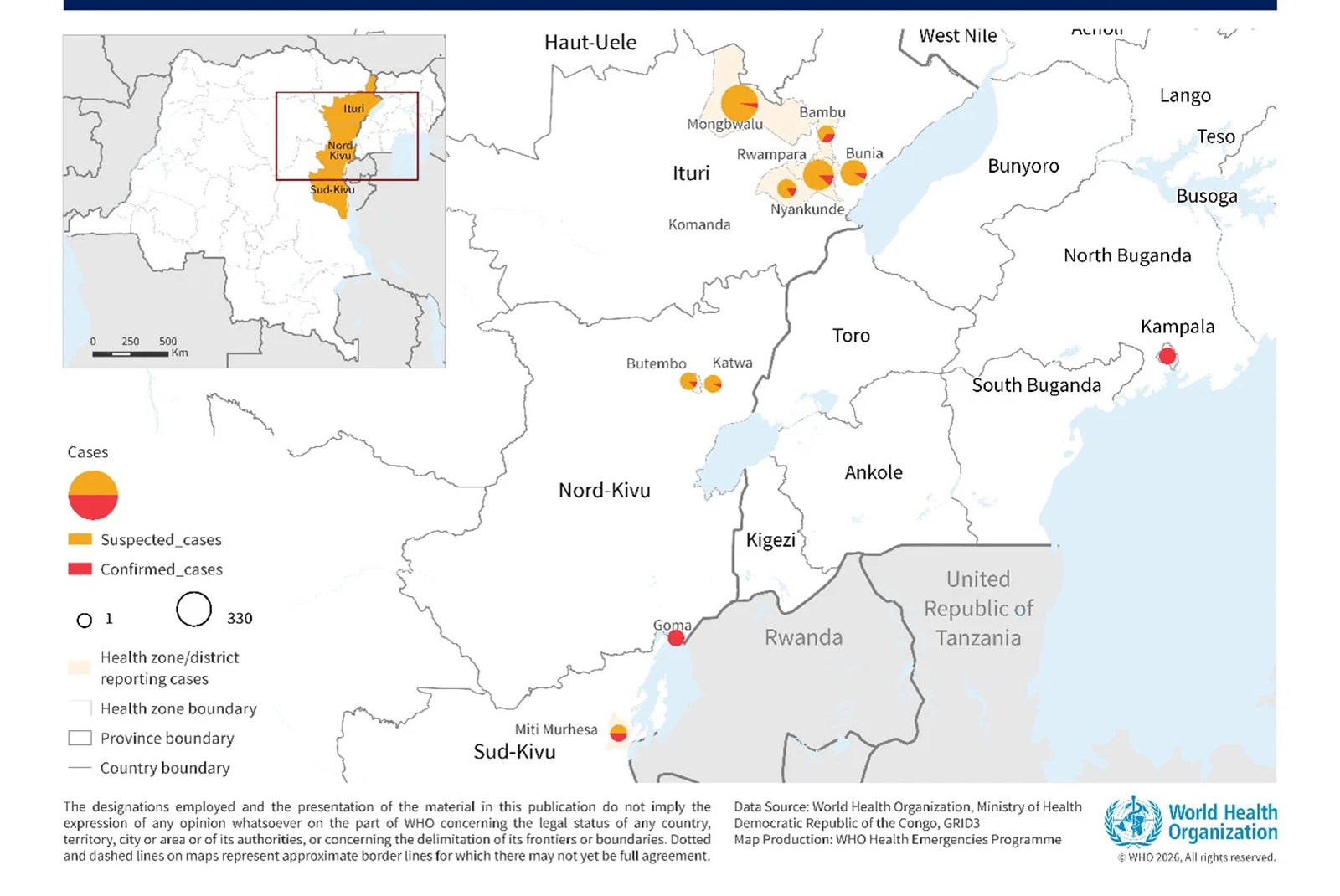 Figure 7. Distribution of suspected and confirmed Bundibugyo virus cases in DRC and Uganda as of May 21, 2026 Source: World Health Organization (WHO)
Notably, in this outbreak, clusters were first identified among healthcare workers. This indicates that healthcare environments themselves can become infection hotspots.
In response, the CDC has strengthened:
- Airport health screening
- Travel monitoring
- Hospital preparedness
- PPE supply
- Infection prevention and control (IPC)
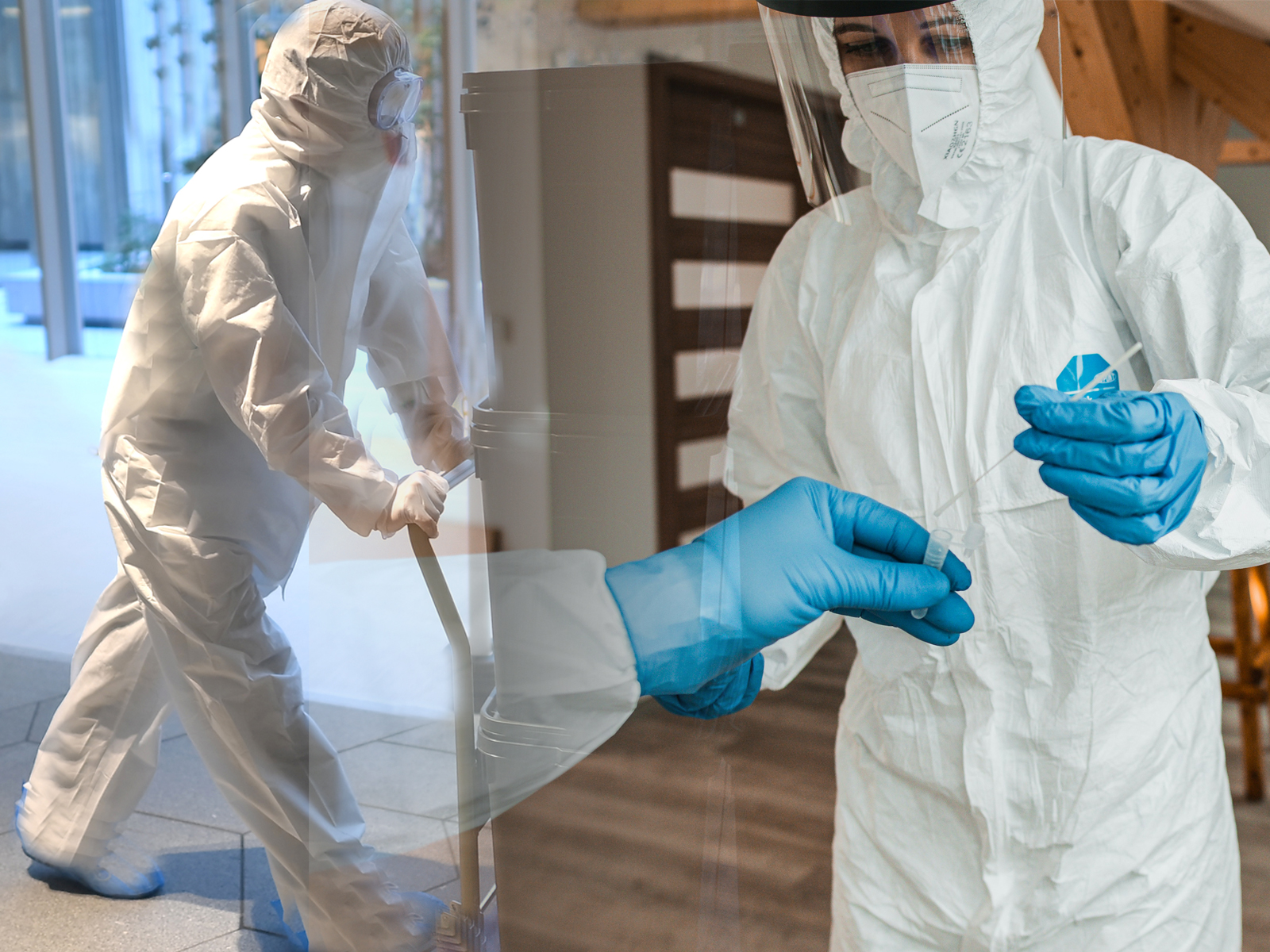
Figure 8. Airport quarantine and PPE image
What is important here is that Ebola countermeasures cannot be achieved by drugs alone.
In practice, the following are critical:
- Hygiene conditions in healthcare facilities
- Surface contamination control
- Protective equipment
- Workflow and circulation design
- Community hygiene
- Water, sanitation and hygiene (WASH)
In other words, “whole-environment hygiene management” is essential.
Limitations of purely reactive responses
Infection control is often associated with:
- Disinfection after cases appear
- Strengthening measures after outbreaks begin
- Using protective equipment only when necessary
These are all important, but international organizations such as WHO, CDC, and UNICEF have increasingly emphasized the importance of “hygiene preparedness during normal times.”

Figure 9. Healthcare facility hygiene management
In today’s world, people and goods move globally on a massive scale.
Airports, logistics hubs, commercial facilities, public transportation, healthcare institutions— these spaces are shared by large numbers of people every day.
In this Ebola outbreak as well, factors such as:
- Cross-border transmission
- Airport response systems
- Medical evacuation
- Contact tracing
reflect the realities of a highly globalized society.
Infectious diseases are not only a “virus problem”
Fruit bats are considered a likely natural reservoir of Ebola.

Figure 10. Fruit bat illustration
However, recent studies suggest that:
- Deforestation
- Urbanization
- Expansion of human activity
- Ecosystem changes
are also influencing new infectious disease risks by altering the distance between humans and wildlife.
In other words, infectious diseases are not only a medical issue, but are deeply connected to:
- Environment
- Urban systems
- Logistics
- Human mobility
- Hygiene infrastructure
“Environmental hygiene” embedded in daily life
This Ebola outbreak again highlights that “post-event response” alone is not sufficient.
While it is impossible to eliminate all infectious diseases, maintaining hygienic environments in:
- Healthcare facilities
- Elderly care facilities
- Schools
- Commercial facilities
- Public spaces
is becoming increasingly important.

Figure 11. Public facility hygiene management
Shift toward preventive hygiene
Emerging and zoonotic infectious diseases are no longer confined to specific regions.
In a world where people and goods move globally, there is growing demand not only for post-outbreak responses, but also for hygiene and infection control embedded in everyday environments.
Recently, interest in “spatial hygiene,” “surface hygiene,” and “environmental hygiene” has been increasing, along with technologies such as photocatalysis that contribute to building hygienic environments during normal times.
Photocatalysis is a technology that uses light energy to act on organic matter and odor components. It is not limited to specific applications, and is increasingly studied and applied as a component of environmental hygiene infrastructure in healthcare facilities, transportation infrastructure, and public spaces.
PALCCOAT also continues to share information with the perspective of building hygienic environments in daily life rather than reacting after problems occur.
From “symptomatic treatment” to “environmental autonomous protection”
Infection control has traditionally relied on individual actions such as handwashing and disinfection. However, in cases such as cruise ships where contamination spreads via environmental surfaces and air conditioning systems, human cleaning alone shows clear physical limitations. This has led to growing global interest in “giving environments themselves protective functions.”
◆ Evaluating Long-Term Performance: 10-Year ATP Longitudinal Study in a High-Traffic School Infirmary
The core advantages of advanced photocatalytic technology lie in its "semi-permanent durability" and its "high efficacy under low-light environments." Below is empirical validation data from a high-traffic school infirmary (health room), where frequent touchpoints—such as doorknobs, walls, and privacy curtains—were treated with PALCCOAT and monitored longitudinally over a ten-year period.
In this study (※), surface contamination levels (organic matter volume) were quantified using an ATP meter (Kikkoman Biochemifa's Lumitester) on both treated and untreated surfaces. Simultaneously, ambient illuminance (lux) was recorded as a critical variable affecting photocatalytic activation. Within the data matrices, 【Figures in Red】 denote PALCCOAT-treated surfaces, while 【Figures in Blue】 denote untreated surfaces.
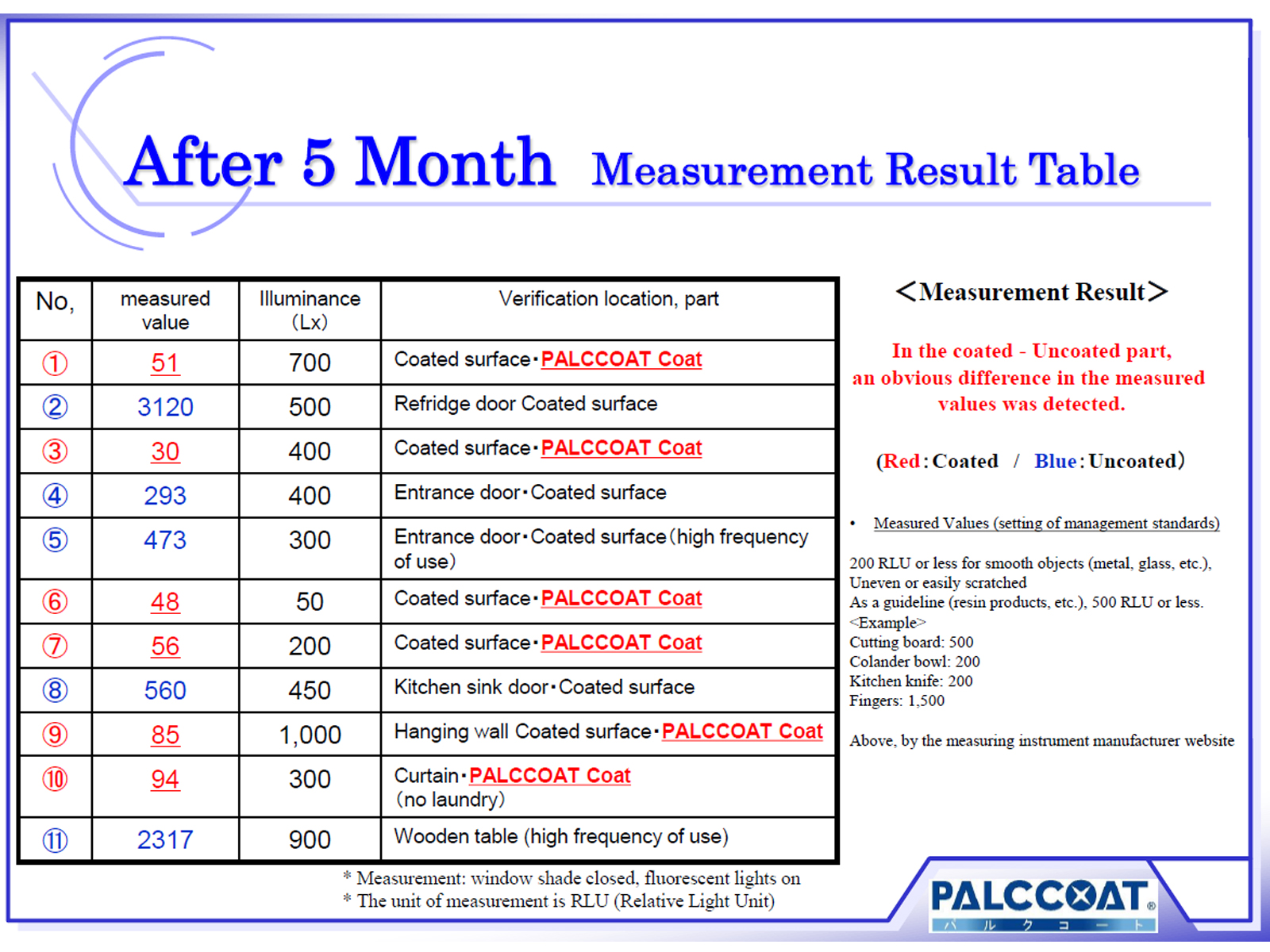
Figure 12. Longitudinal ATP monitoring data in a school infirmary: 5 months post-PALCCOAT treatment.
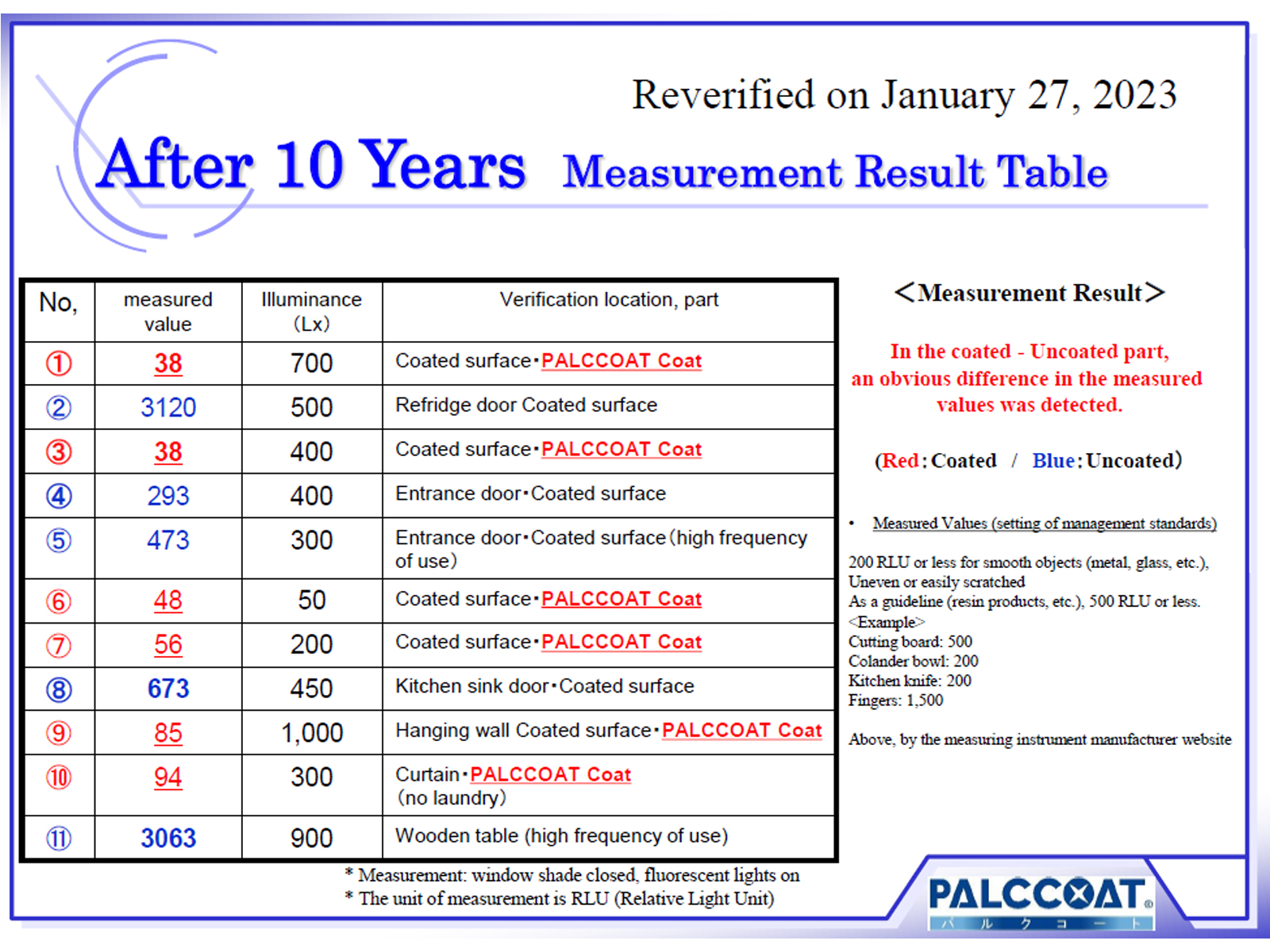
Figure 13. Longitudinal ATP monitoring data in a school infirmary: 10 years post-PALCCOAT treatment.
※Note: ATP bioluminescence assays measure total organic matter and surface contamination rather than directly counting viral particles; however, the resulting data provides vital environmental insights. The tracking demonstrates that even under a low-light condition of approximately 50 Lx—equivalent to dim corners or shaded areas within standard rooms—the PALCCOAT-treated surfaces consistently maintained exceptionally low contamination metrics over a decade. In contrast, untreated control surfaces exhibited a distinct tendency toward elevated organic accumulation over time.
These longitudinal findings objectively demonstrate that advanced photocatalytic coatings transcend temporary chemical sanitation. The technology acts as a sustainable architectural enhancement, autonomously maintaining surfaces so they remain hostile to the accumulation of organic matter, which serves as the biological foundation for viral and bacterial persistence.
Photocatalysis: A Strictly Physical Bio-Defense Solution
The high expectations surrounding photocatalysis against highly virulent pathogens stem from its fundamental mechanism: it does not rely on chemical toxins or antibiotics. Instead, under light exposure, photocatalytic materials generate oxidative reactions that can decompose organic substances present on treated surfaces.
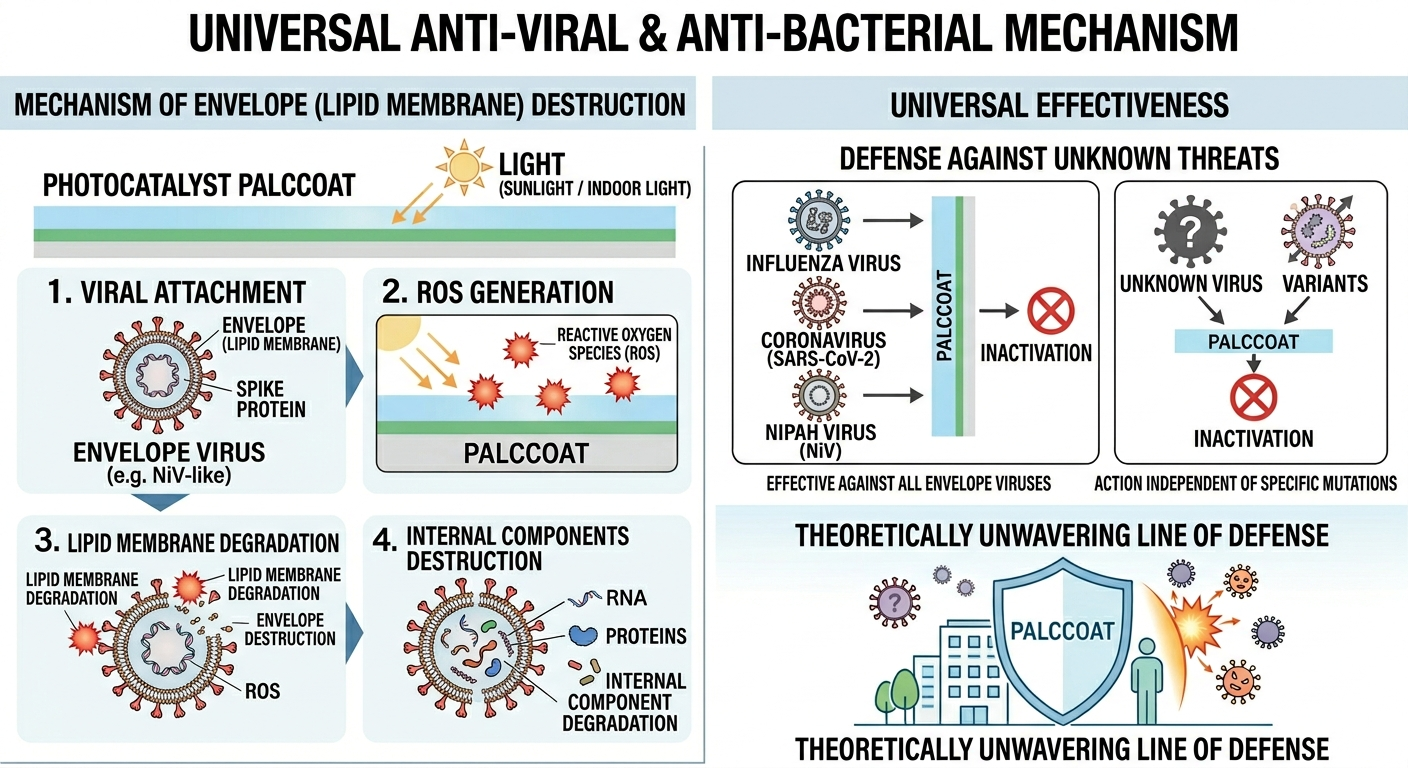
Figure 14. Schematic diagram illustrating the physical decomposition and destruction of a viral envelope via photocatalytic oxidation.
Source: Adapted from the Photocatalysis Industry Association of Japan (PIAJ) archives.
A Future Where Infrastructure and Architecture Serve as Shields
Integrating advanced photocatalytic coatings into building materials, mass transit infrastructure, and public facilities goes far beyond reducing manual facility maintenance. It represents a paradigm shift where our everyday spaces evolve into "autonomous hygiene infrastructure" that continuously inactivates pathogens without human intervention.
Moving away from "how to respond after an outbreak" toward "pre-engineering environments to be inherently hostile to viral survival" may well represent our most elegant, silent, and powerful strategy for mitigating future pandemic risks.
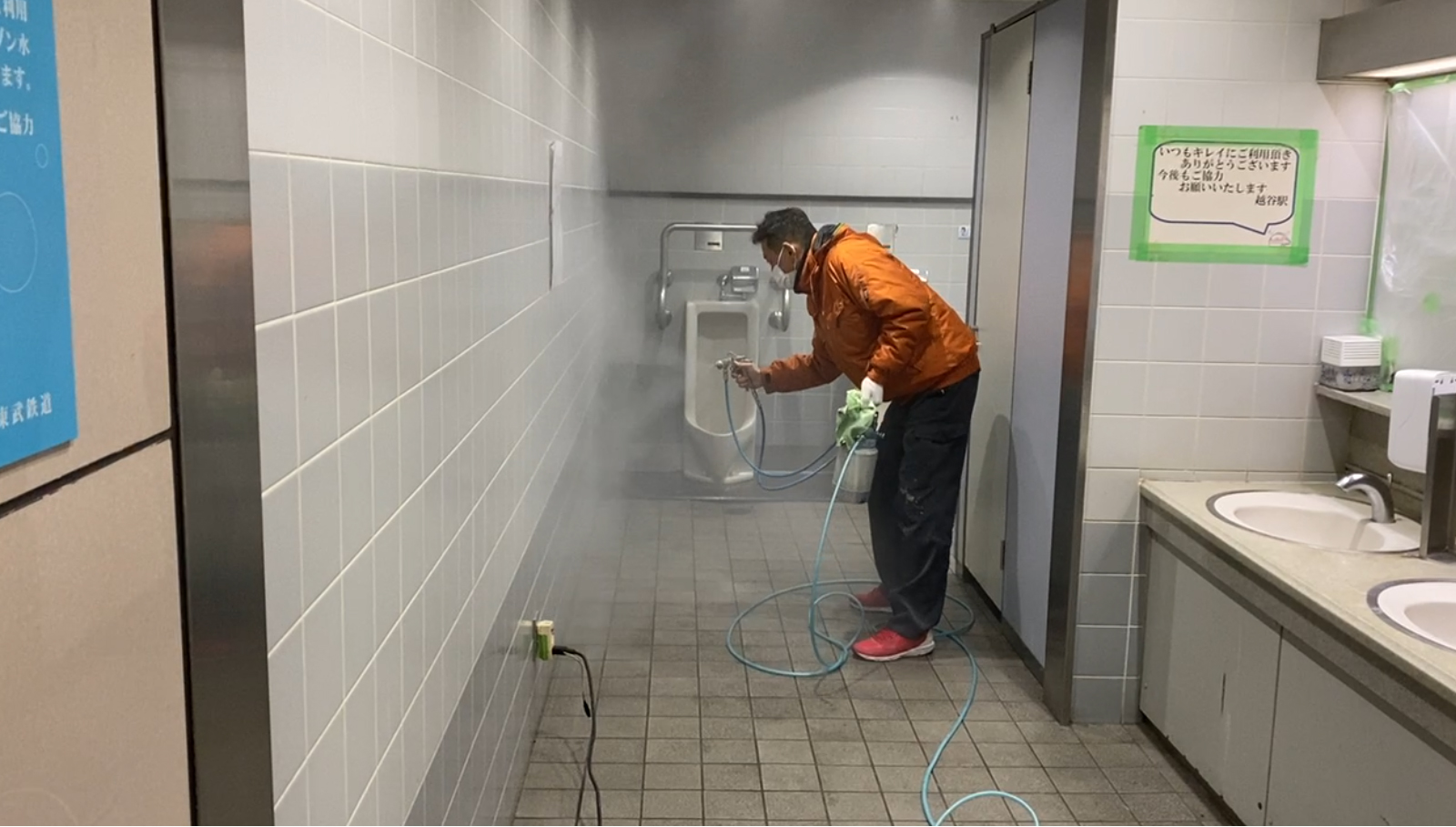
Figure 15. Application of PALCCOAT photocatalytic coating for a train station restroom.
■ Contact & Consultation
The optimal approach for photocatalyst implementation varies depending on the intended application and environmental conditions. PALCCOAT provides proposals tailored to specific site conditions and usage environments. If you have any questions regarding our products or application services, please feel free to contact us.
Contact PALCCOAT